
What Devalues a House the Most? A Homeowner's Guide
Deferred maintenance is the biggest value killer, but location issues like high crime, poor schools, and flood risk also slash prices. Outdated features and DIY mistakes can further reduce appeal. Prioritize repairs and curb appeal to protect your investment.
What Devalues a House the Most? The Top Value Killers
The biggest value killers are often within your control. Neglected maintenance and repairs top the list—deferred maintenance is probably the single biggest one. A leaky roof, cracked foundation, or outdated electrical system can scare off buyers and slash your asking price.
| Value Killer | Impact on Value | Why It Hurts |
|---|---|---|
| Deferred maintenance | High—can reduce value by 10-20% or more | Buyers see costly repairs ahead and lowball offers. |
| Location issues | Varies—high crime, poor schools, flood risk can cut 5-15% | Location is permanent; buyers factor in safety and resale. |
| Outdated fixtures, appliances, and design trends | Moderate—outdated kitchens/baths can reduce offers | Buyers want move-in ready; they deduct for remodeling costs. |
| Damp and mould | Significant—can devalue by 10% to 53% | Health and structural concerns; hard to remediate. |
| Poor workmanship | High—bad DIY or contractor work lowers appeal | Visible flaws signal bigger hidden problems. |
| Neglected landscaping and trees | Moderate—overgrown yard reduces curb appeal | First impressions matter; buyers may assume neglect inside. |
| Noise and traffic | Low to moderate—busy roads or airports reduce desirability | Constant noise and safety concerns deter buyers. |
Prioritize fixing structural issues and major systems first. Even small repairs can prevent a 'fixer-upper' label that drops your price significantly.


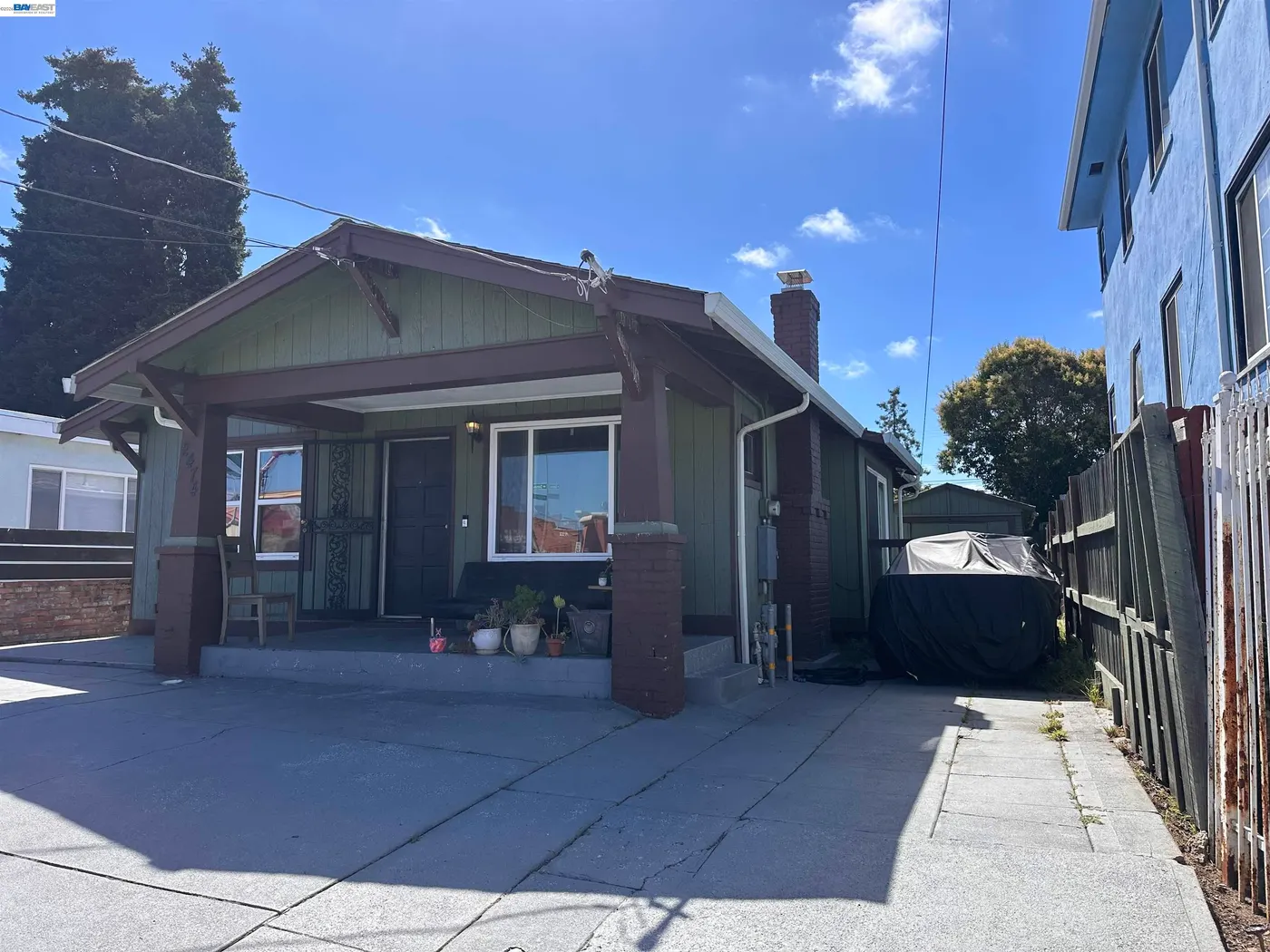
Location and Neighborhood: What Devalues a House from the Outside
High crime levels tend to make properties undesirable—buyers research safety data before they even visit. Similarly, a poor school district can cut value, especially for families. In Danville, the San Ramon Valley Unified School District is a known draw, but in other areas, weak schools can reduce demand.
External factors like increased traffic, nearby commercial development, or a neglected neighbor's property can also drag down your home's value. A poorly maintained front yard or backyard on your street signals a declining neighborhood, which makes buyers hesitant.
Flood risk is another location factor. Homes in a floodplain can see a 4.4-6.9% discount, and flood insurance costs add to the burden. Check FEMA maps and local history before buying or selling.
Renovations That Devalue a House: What to Avoid
Not all improvements pay off. Some renovations can actually reduce your home's value, especially if they're poorly executed or out of step with the neighborhood.
| Renovation | Why It Devalues | Better Alternative |
|---|---|---|
| Removing a bedroom | Fewer bedrooms shrink buyer pool and price per square foot. | Keep the bedroom; update the closet or add an en-suite. |
| Over-personalizing | Bold paint, themed rooms, or exotic fixtures deter buyers. | Neutral, timeless finishes appeal to the broadest audience. |
| Poor workmanship | Visible flaws like uneven tile or bad drywall signal neglect. | Hire licensed pros; get permits for major work. |
| Removing character | Stripping original moldings or fireplaces can lower charm. | Preserve period details; update systems instead. |
| Adding a pool in a cool climate | High maintenance and liability; limited buyer interest. | Landscape a patio or outdoor kitchen. |
Focus on updates that match the neighborhood's standard. In Danville, buyers expect quality kitchens and baths, but a luxury addition in a modest area may not recoup costs.
How Much Does Each Issue Devalue a House?
Exact amounts vary widely, but here are general ranges based on common issues:
| Issue | Why It Matters | Typical Impact |
|---|---|---|
| Damp and mould | Health hazard and structural damage. | 10% to 53% devaluation, depending on severity. |
| Flood risk | Insurance costs and potential damage. | 4.4-6.9% discount in floodplain. |
| Deferred maintenance | Visible wear and tear signals bigger problems. | 5-15% or more, depending on scope. |
| Outdated kitchen/bath | Buyers budget for remodeling. | Often 50-75% of renovation cost is not recouped. |
| Neighbor neglect | Affects curb appeal and desirability. | Hard to quantify, but can reduce offers by thousands. |
For a precise estimate, get a comparative market analysis from a local agent—we can show you how your home stacks up against recent sales.
Flood insurance rate map
A flood insurance rate map (FIRM) is an official map of a community within the United States that displays the floodplains, more explicitly special hazard areas and risk premium zones, as delineated by the Federal Emergency Management Agency (FEMA). The term is used mainly in the United States but similar maps exist in many other countries, such as Australia. For homeowners, checking your property's FIRM status is crucial—if you're in a high-risk zone, you may need flood insurance, which adds to your costs and can affect resale value. Knowing your flood risk helps you make informed decisions about buying, selling, and protecting your investment.
Directions to our homes for sale in Danville, CA from Little Hills Picnic Ranch
Start at Little Hills Picnic Ranch and head to Ahern Real Estate Group at 671 San Ramon Valley Blvd, Danville, CA 94526.
How to Stop Your House from Losing Value
Prevention is cheaper than repair. Here's a checklist to keep your home's value intact:
- Fix deferred maintenance—Address leaks, roof issues, and electrical problems promptly.
- Boost curb appeal—Trim landscaping, repaint the front door, and keep the yard tidy.
- Update key systems—Modernize HVAC, water heater, and windows to improve efficiency.
- Neutralize decor—Paint walls in neutral tones and remove personal items.
- Get a pre-sale inspection—Identify issues before buyers do.
- Consult a local agent—We can advise on high-impact improvements for Danville's market.
Does Age or the Market Devalue a House?
Homes generally appreciate over time, but they can lose value if not maintained. Age itself isn't a devaluation factor—a well-maintained older home can hold its value better than a neglected newer one. Market conditions matter too: a downturn can lower prices temporarily, but historically, real estate recovers.
In 2026, the market is expected to stabilize, but local factors like inventory and interest rates will play a role. If you're concerned about your home's value, focus on what you can control: maintenance, updates, and pricing it right.
For details on services and visits, see the main page about homes for sale danville ca.
Sources
Also asked as
- What lowers property value the most?
- What actually devalues a house the most?
- What are the biggest value killers for a home?
Frequently asked questions
How to lower the value of a house?
You can lower value by ignoring maintenance, making poor renovations, or letting the yard overgrow. But most homeowners want to increase value, so focus on fixing issues instead.
Do houses usually go up in value?
Historically, homes appreciate over time, but not every year. Local market conditions, inflation, and improvements all affect value. Long-term, real estate tends to rise.
Do houses lose value as they age?
Age alone doesn't devalue a home—condition does. A well-maintained older home can be worth more than a newer one with deferred maintenance. Regular upkeep is key.
Will there be a house market crash in 2026?
No one can predict crashes with certainty. Current indicators suggest a stable market, but local factors vary. If you're concerned, consult a local agent for area-specific trends.
What increases house value the most?
Kitchen and bathroom remodels, adding square footage, and improving curb appeal typically offer the highest returns. Energy-efficient upgrades also appeal to modern buyers.