
Staging a House to Sell: Before and After Transformations
Staging a house to sell involves transforming it from lived-in to show-ready. Before and after photos show how decluttering, depersonalizing, and rearranging furniture help buyers envision themselves in the space, often leading to faster sales and higher offers.
Before and After Home Staging: Real Transformations That Sell
When you look at staging a house to sell before and after photos, the transformation is often dramatic. A cluttered living room becomes a bright, inviting space where buyers can imagine their own sofa. A dated bedroom turns into a serene retreat. These changes aren't about renovation—they're about presentation. The goal is to help buyers see the home's potential, not your personal style.
Take an empty apartment, for example. Virtual staging can add furniture and decor digitally, giving buyers a sense of scale and flow without the cost of physical furniture. Traditional staging, on the other hand, brings in real pieces that enhance the home's architecture. Both approaches aim to create an emotional connection. Staged homes allow buyers to imagine themselves living in the space, which is the core of why staging works.
In our experience with the Danville, CA real estate market, we've seen how a strategic analysis of each room—what to keep, what to remove, what to highlight—can make a home feel larger, brighter, and more valuable. Whether it's rearranging furniture to improve traffic flow or adding a neutral color palette to appeal to more tastes, the before and after is often striking. We encourage sellers to try staging one listing photo free with our team to see the potential for themselves.
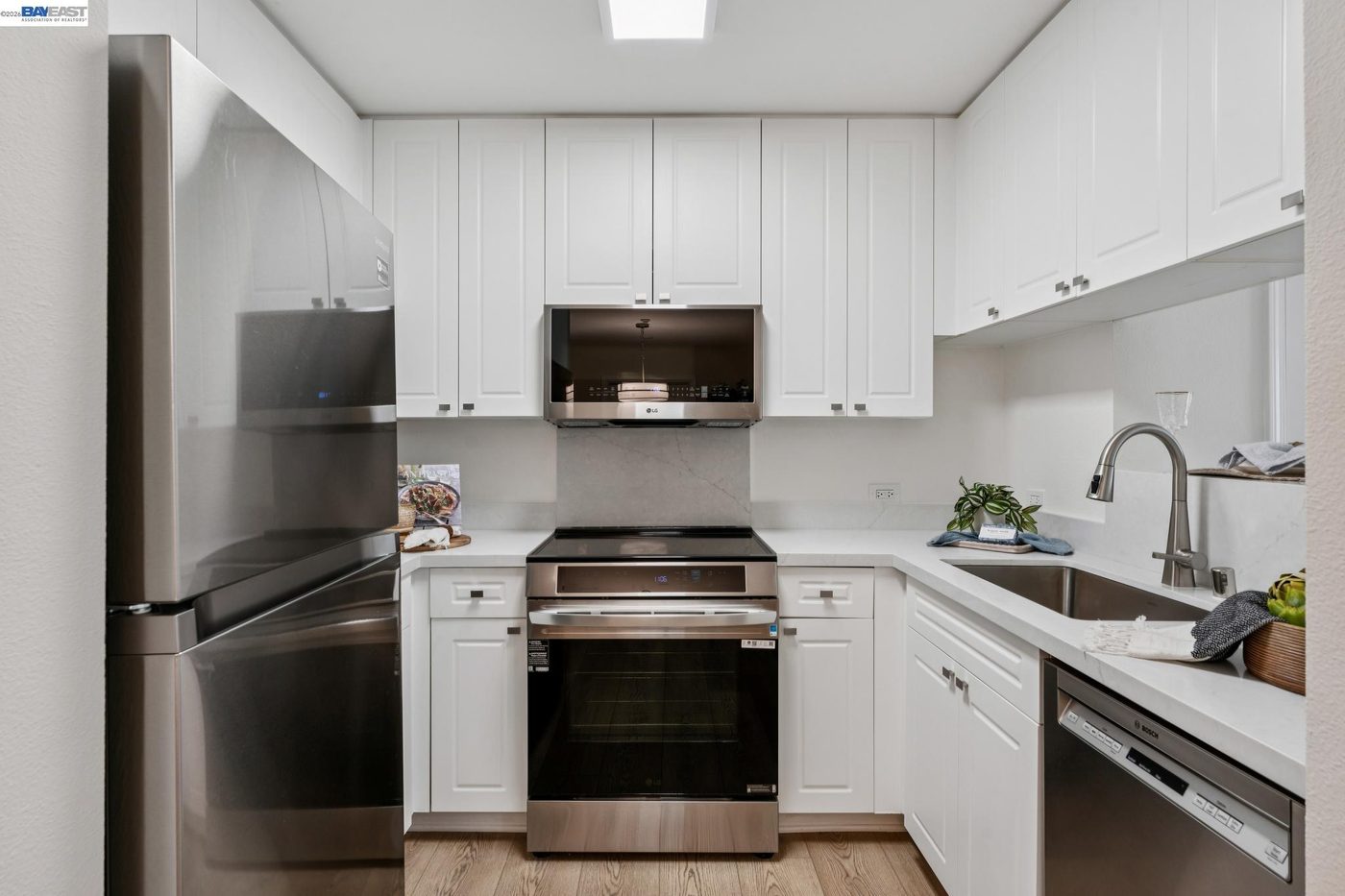


Staging a House to Sell: Before and After While You Still Live There
- Move out, physically and mentally. Start by packing away all non-essential items and personal decor. This includes family photos, collections, and anything that makes the home feel like yours rather than theirs.
- Clean it and then keep it clean. Deep clean every surface—floors, windows, counters, and appliances. Then, maintain that level of cleanliness with a daily routine that takes just 15 minutes.
- Get out of the house. During showings, leave. Buyers need to feel like they can walk through without intruding on your life. This also helps you keep the home show-ready at all times.
These steps are practical for sellers who can't move out before selling. By following them, you'll be able to maintain a show-ready home that appeals to buyers. For more detailed guidance, see our guide to staging while living in your home.
Staging a House to Sell: Before and After Results That Prove It Works
Does staging a house for sale make a difference? Yes. According to the National Association of Realtors (NAR) Profile of Home Staging, staged homes can sell 73% faster and for 1–10% more than unstaged homes. The before and after photos don't lie—staging is a must for selling a home in today's market.
- Enhance visual appeal. Staging highlights the home's best features and downplays its flaws, making it more photogenic for MLS listing photos.
- Create an emotional connection. Buyers are more likely to feel at home when they can picture their furniture in the space.
- Justify the asking price. A well-staged home appears well-maintained, which supports your price point.
In our work with sellers across Danville, Alamo, and Blackhawk, we've seen how staging can make a tremendous difference in how quickly you sell and for how much. The before and after isn't just cosmetic—it's financial.
Staging a House to Sell: Before and After Mistakes to Avoid
To get the best before and after results, avoid these common staging mistakes that can devalue your home:
- Over-personalizing. Remove personal items like family photos and quirky decor so buyers can imagine their own life there.
- Neglecting curb appeal. The outside is the first impression—keep the lawn mowed, add fresh mulch, and ensure the front door is inviting.
- Leaving clutter. Clutter makes rooms feel smaller and distracts from the home's features. Pack away excess items.
- Ignoring repairs. Fix minor issues like leaky faucets or chipped paint—they signal poor maintenance to buyers.
- Using bold colors. Stick to a neutral color palette to appeal to the widest range of buyers.
For a deeper dive, read our article on the biggest staging mistakes and what devalues a house the most.
Real estate
Real estate is property consisting of land and the buildings on it, along with natural resources like water or minerals. It differs from personal property, which isn't permanently attached to the land. Real estate can be residential, commercial, or industrial, and ownership can be held by individuals, corporations, or government entities. The value of real estate is influenced by location, condition, and market demand. For sellers, understanding how to present your property effectively—through staging—can significantly impact its perceived value and sale price. In the Danville area, where the market is competitive, presenting your home in its best light is essential to attract buyers and achieve a successful sale.
Directions to our homes for sale in Danville, CA from Eugene O'Neill National Historic Site
Start at Eugene O'Neill National Historic Site and head to Ahern Real Estate Group at 671 San Ramon Valley Blvd, Danville, CA 94526.
Staging a House to Sell: Before and After – DIY or Hire a Pro?
Deciding whether to stage your home yourself or hire a professional depends on your budget, time, and the market. Here's a comparison to help you decide:
| Factor | DIY Staging | Professional Staging |
|---|---|---|
| Cost | Low—just your time and minor purchases | Varies, often a few thousand dollars for a full home |
| Time | Requires significant effort and planning | Professionals handle everything quickly |
| Expertise | Limited to your own taste | Trained in buyer psychology and current trends |
| Furniture | Use your own, which may not fit or appeal | Access to quality rental furniture that fits the space |
| ROI | Can be effective if done well | Often yields higher returns, especially in competitive areas |
If you're handy and have an eye for design, DIY can work. But in a market like Danville, where buyers expect move-in ready, professional staging often pays off. We can help you assess your options—contact us at (925) 963-0068 for a free consultation. Also, check our home staging pricing calculator to estimate costs.
Staging a House to Sell: Before and After Stories from Real Sellers
Real sellers often share their staging before and after stories on forums like Reddit. Many report that staging helped their home sell faster and for a better price than they expected. They describe the process as transformative—not just for the house, but for their confidence in the sale.
In our practice, we've seen similar outcomes. Sellers who stage their homes often receive more showings and stronger offers. The before and after photos become a powerful marketing tool, attracting buyers who might otherwise scroll past. If you're on the fence, ask us for examples from our past listings—we're happy to share what's worked for others in your situation.
Staging a House to Sell: Before and After Cost vs. Value
Understanding the cost of staging is crucial. Here's a breakdown of what drives the expense and what you might expect to pay:
| Factor | Why It Matters | Typical Range |
|---|---|---|
| Size of home | More rooms require more furniture and time | Varies by square footage |
| Duration | Monthly rental fees for furniture and staging | Varies, often $500–$2,000 per month |
| Scope | Full staging vs. partial (e.g., living room only) | Varies, from a few hundred to several thousand |
| Location | Urban areas may have higher rates | Varies by market |
The return on investment can be significant. Staged homes often sell for 1-10% more, which can easily cover the staging cost. In high-value areas like Danville, the potential return is even greater. For a personalized estimate, contact our office—we can help you decide if staging is worth it for your property.
For details on services and visits, see the main page about homes for sale danville ca.
Sources
Also asked as
- What does home staging before and after look like?
- Does staging a house really make a difference?
- How much does staging cost and is it worth it?
Frequently asked questions
What are some creative ideas for home staging?
Creative staging ideas include using neutral colors on walls, adding fresh flowers or plants, rearranging furniture to create conversation areas, and using mirrors to make rooms feel larger. You can also stage outdoor spaces with simple seating and lighting to enhance curb appeal.
What not to fix before selling your house?
Avoid major renovations that won't yield a high return, like adding a pool or extensive kitchen remodels. Focus on minor repairs that affect the home's condition, such as leaky faucets, cracked tiles, or peeling paint. Buyers often expect a move-in ready home, so address obvious issues but don't over-improve.
What is the 3-3-3 rule for buying a house?
The 3-3-3 rule is a guideline for buyers: spend no more than 3 times your annual income on a home, make a 20% down payment, and keep your monthly payment under 3% of your gross monthly income. This helps ensure you can afford the home comfortably.
Does staging a house for sale make a difference?
Yes, staging makes a significant difference. According to the National Association of Realtors, staged homes sell faster and for more money—often 73% faster and 1-10% more. Staging helps buyers visualize the space and creates an emotional connection, which can lead to higher offers.
What not to do when staging a house?
Avoid over-personalizing with family photos or bold decor, leaving clutter, neglecting curb appeal, and using strong scents or colors. Also, don't forget to clean thoroughly and repair minor issues. These mistakes can turn off buyers and reduce your home's perceived value.